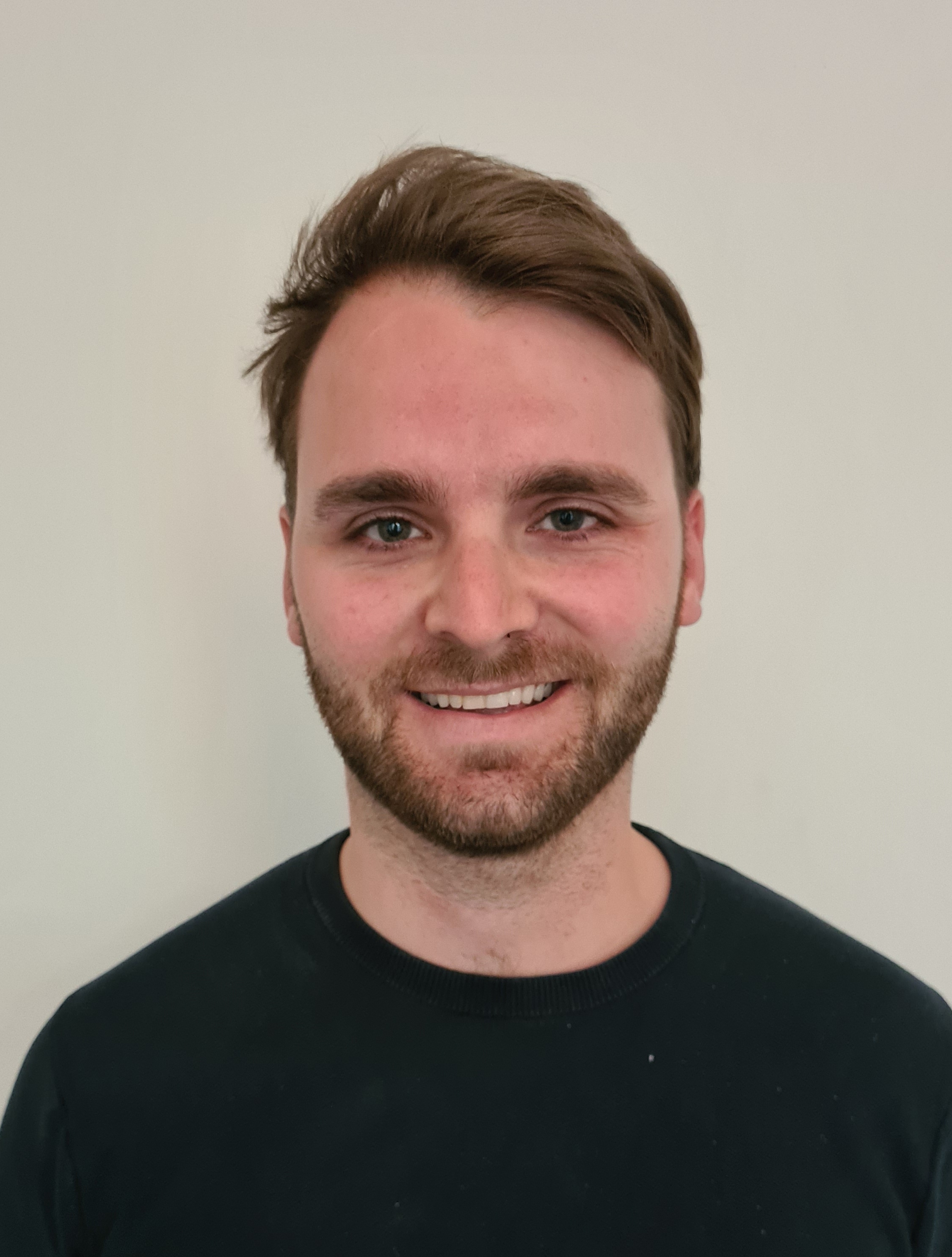
Photo of blog author, Dr Peter Van Rhijn
Acute Medicine Trainee experience with the Lanarkshire H@H Team
Dr Peter Van Rhijn, ST4 Acute medicine trainee - 11 November 2025
Between February and August 2025, I had the opportunity to work with the Hospital at Home (H@H) service in NHS Lanarkshire — an experience that was invaluable from an Acute Internal Medicine trainee’s perspective.
Hospital at Home delivers hospital-level care to patients in the comfort of their own homes. Coming from a fast-paced Acute Medical Unit, this rotation offered a completely new perspective on how acute medical care can be delivered — one that prioritises person-centred, community-based care while maintaining clinical rigour and safety.
Working within the H@H team allowed me to manage patients with conditions as complex as those we’d normally admit — from acute heart failure and infective exacerbations of COPD to sepsis, AKI, and delirium. Yet the setting transformed how we approached these problems.
Seeing patients in their own homes gave good insight into their functional status, social circumstances, and support networks. It encouraged a more holistic approach — not just treating the acute episode, but understanding what helps patients remain well and independent in their own environment.
It was also a true multidisciplinary experience, working closely with nurses, pharmacists, AHPs, and GPs to provide joined-up care. This collaborative approach embodied the best of integrated medicine — where everyone’s expertise contributes meaningfully to improving patient outcomes.
One of the highlights of the placement was the opportunity to use Point-of-Care Ultrasound (POCUS) in the community setting. As someone undertaking Focused Acute Medicine Ultrasound (FAMUS) training, this was an excellent opportunity to consolidate skills and see firsthand the value of portable imaging outside the hospital environment.
Assessing for fluid overload, hydronephrosis or DVTs at the patient’s bedside often made a tangible difference to management decisions — whether guiding diuretic therapy or identifying the need for escalation. Having this capability in the home environment reduced unnecessary transfers and improved diagnostic confidence, while patients consistently expressed how reassured they felt by this modern, proactive approach to care.
The H@H service also offered unique learning opportunities that extended beyond traditional acute medicine training. It strengthened my understanding of care transitions, anticipatory care planning, and the practicalities of keeping patients safely at home when that’s their preferred place of care.
It also fostered greater autonomy and clinical reasoning, with close senior support that encouraged reflective, evidence-based decision-making. Each day brought a new balance between acute assessment, ongoing review, and community-based multidisciplinary working — all underpinned by a shared goal of keeping patients well at home whenever possible.
My six months with the Lanarkshire Hospital at Home team has been one of the most rewarding parts of my training so far. It reaffirmed that acute medicine doesn’t need to be confined to hospital walls — it’s about bringing high-quality, person-centred care to wherever the patient needs it most.
The experience not only broadened my clinical skills — particularly through the use of POCUS — but also deepened my appreciation of how adaptable and forward-thinking modern acute medicine can be.
Share this post on:
RECENT POSTS
-

-
26 October 2023
-
1 September 2023



© Copyrights by Hospital at Home. All Rights Reserved 2022 Site by @CPDme